A single voice speaking into a microphone can spark a global movement, yet many creators struggle to bridge the gap between a fleeting thought and a sustainable show. Transforming a raw concept into a podcast people love requires more than just hitting the record button on a smartphone. It demands a methodical approach to structure, sound quality, and audience psychology to ensure the final product resonates with listeners in an increasingly crowded digital landscape. Success in this medium stems from a commitment to providing consistent value through clear storytelling and a professional presentation that respects the listener’s time.
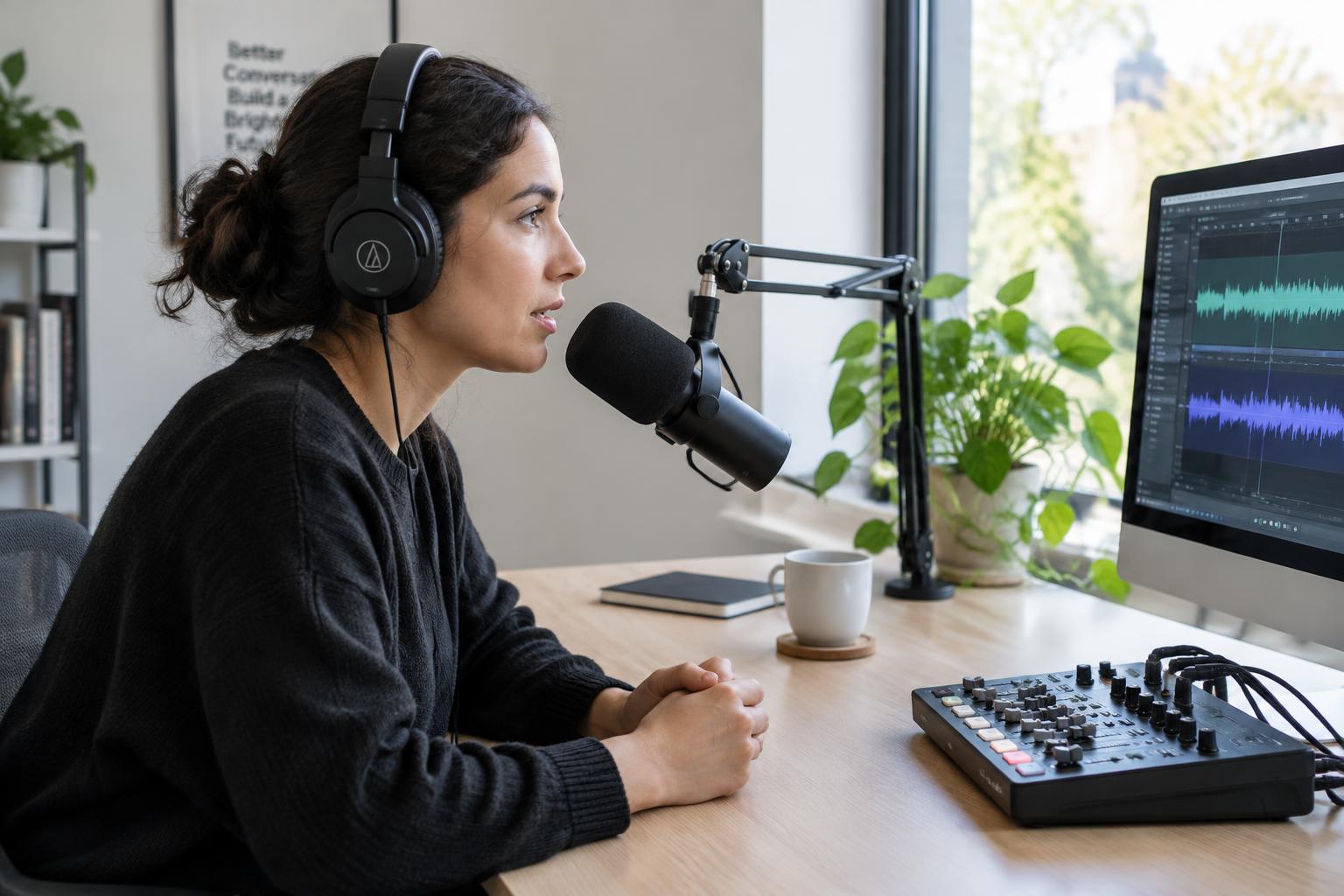
The path to a successful launch involves refining a core idea to meet the specific needs of a target audience, selecting the right hardware for a home studio, and mastering the technical side of audio editing. Aspiring hosts must also develop the soft skills of interviewing and narrative pacing to keep engagement high from the first minute to the last. By following a structured roadmap, a creator can move from the initial planning stages to a professional debut that builds a loyal community. This guide provides the framework for that journey, focusing on the practical mechanics of production and the strategic elements of listener retention.
The following areas serve as the pillars for building a high-quality audio brand:
- Defining a unique niche and show format to stand out from competitors.
- Setting up a functional recording space with essential microphones and interfaces.
- Developing vocal techniques and interview strategies to improve flow.
- Editing and post-production workflows that ensure a polished sound.
- Marketing and distribution tactics to reach the right ears at launch.
Aspiring producers often find that the difference between a hobby and a professional show lies in the details of the pre-production phase. Careful planning prevents common pitfalls, such as poor audio clarity or a lack of topical focus, which frequently cause new listeners to tune out. With the right preparation, anyone can turn a big idea into a meaningful conversation that grows over time.
Broad topics are the graveyard of independent audio production. While the instinct for many beginners is to cast a wide net to capture the largest possible audience, the reality of the 2026 landscape-where over five million podcasts exist-is that generic content often goes unheard. A podcast people love is rarely about “movies” or “business” in a general sense; it is a specific answer to a specific question. Success in this medium requires the producer to move beyond the superficial layer of an idea and find a niche that is deep enough to sustain hundreds of episodes but narrow enough to exclude the uninterested.
The direct answer to shaping a successful concept is to identify a specific audience pain point and apply a unique perspective that competitors are ignoring. By refining a broad subject into a surgical premise, the creator ensures that every minute of audio provides high-density value to a targeted group of listeners. This methodical narrowing of focus is what transforms a casual recording into a professional brand that people feel compelled to share with others in their community.
- Identify the Psychographics: Move beyond age and location to understand the “why” behind the listener-what keeps them up at night or what specific hobby they obsess over?
- Apply the “Only” Factor: Complete the sentence: “This is the only show that covers [Topic X] through the lens of [Unique Angle Y].”
- Validate the Demand: Look for active forums, subreddits, or social media groups where people are asking questions that current shows aren’t answering.
- Draft the Elevator Pitch: Summarize the show’s value proposition in two sentences without using buzzwords like “innovative” or “deep dive.”
Consider the difference between a show that discusses “cinema” and a show that specifically analyzes the psychology of horror film villains released since 2020. The former competes with massive media corporations and decades of established critics, making it nearly impossible to gain traction. The latter, however, speaks directly to a hungry audience of horror enthusiasts and psychology students who cannot find that specific intersection elsewhere. This level of granularity makes marketing significantly easier because the target listener is easily identifiable and the value is immediate.
Testing the Premise Against Market Reality
A common pitfall I encountered early in my career was falling in love with a concept before checking if it solved a problem. If the premise doesn’t address a listener’s curiosity or a specific knowledge gap, it remains a vanity project rather than a viable product. One effective way to test an idea is to look at the “inactive” status of similar shows; many podcasts fail because they lack a clear premise, leading to content dilution where the host eventually runs out of things to say. A well-defined niche acts as a guardrail, keeping the creator focused on delivering the specific value promised in the show’s title.
The Mechanics of Listener Retention
Once the concept is sharpened, the focus shifts toward the structural elements that keep a person listening from the first minute to the last. Understanding the interests of the audience allows the producer to design segments that feel tailor-made for them. This level of intentionality is what builds an authentic connection, as the listener feels the show was created specifically for their needs.
This strategic foundation must be solid before the first microphone is even plugged in, as even the most expensive studio setup cannot save a boring or over-generalized concept. High-quality audio starts with the clarity of the thought behind the recording, long before the signal reaches the computer.
Professional audio quality does not require a five-figure studio budget. While high-end gear has its place, a podcast people love usually starts with a setup that prioritizes clarity over prestige. The goal is to capture a clean signal that minimizes the listener’s effort to understand the speaker. By focusing on the interaction between the microphone and the room, anyone can produce broadcast-quality sound from a spare bedroom or a quiet office.
The choice of microphone often dictates the complexity of the entire setup. For beginners, USB microphones like the Blue Yeti or the Rode NT-USB Mini offer a plug-and-play solution that bypasses the need for an external audio interface. These devices often cost under $100 and provide a significant leap in quality over standard laptop or webcam microphones. However, the type of microphone capsule-the part that actually captures the sound-is just as important as how it connects to the computer.
Dynamic microphones are generally superior for untreated home environments because they are less sensitive to distant background noise. Unlike condenser microphones, which pick up every hum from a refrigerator or a passing car, dynamic models focus on the sound directly in front of the mesh. This choice reduces the technical burden during the recording phase, allowing the producer to focus on the performance rather than fighting environmental interference. I once recorded an entire season in a noisy city apartment using a dynamic mic, and the results were indistinguishable from a studio session.
Essential Tools for the Home Producer
- Closed-back headphones: These prevent audio “bleed” from the speakers back into the microphone, which is vital for clean tracks.
- Audacity or GarageBand: These free Digital Audio Workstations (DAWs) provide all the necessary tools for multi-track editing and noise reduction.
- Pop filters: A simple mesh screen placed in front of the mic stops “plosives”-the harsh air blasts from “P” and “B” sounds-from distorting the audio.
- XLR cables and interfaces: For those looking to scale, an XLR setup allows for more granular control and higher-quality preamps than standard USB.
Acoustic treatment is the most overlooked element of a home studio, yet it has the greatest impact on the final product. Hard surfaces like windows and bare walls reflect sound waves, creating a hollow echo that makes a podcast sound amateurish. This is easily solved by introducing soft furnishings or heavy blankets into the space to absorb those reflections. Many successful independent producers use a closet lined with clothes as a makeshift vocal booth, as the dense fabric acts as a natural sound absorber that rivals expensive acoustic foam.
Capturing clean audio at the source saves hours of frustration during the post-production phase. When the raw file is free of hiss and room reverb, the editor can focus on enhancing the natural tone of the voice rather than fixing mistakes. This technical foundation ensures that the audience remains focused on the narrative, laying the groundwork for a professional listening experience that feels both intimate and polished.
Mastering the Art of Engaging Conversations and Storytelling
Pre-interview research serves as the backbone of a high-quality production, with the potential to improve interview quality by 50% compared to unscripted “winging it” sessions. While the technical setup captures the sound, the human element determines whether a listener stays for the full duration or hits the stop button. A host’s primary job is to bridge the gap between a guest’s expertise and the audience’s curiosity, which requires more than just a list of generic questions. It demands a structured approach to the dialogue that makes the guest feel secure while keeping the narrative moving forward at a steady clip.
Active listening is the most powerful tool in a creator’s arsenal for generating better follow-up questions that dig beneath the surface of a standard response. Instead of simply waiting for a turn to speak, the host should listen for emotional cues or unfinished thoughts that can lead to a deeper breakthrough. This level of presence is what creates the “podcast people love” by fostering an environment where authentic, unscripted moments can occur naturally. I once found that by ignoring my third planned question to pursue a small detail the guest mentioned in passing, we uncovered the most downloaded segment of the entire series.
- The Pre-Interview Document: Sending a brief outline of topics and specific questions to guests ensures they arrive prepared and confident.
- Vocal Modulation: Varying the tone and pace of delivery prevents a monotonous “drone” that can cause listener fatigue.
- The Story Arc: Structuring narrative episodes with a clear setup, rising action, climax, and resolution keeps the audience invested in the outcome.
- The “Why” Factor: Every conversation should circle back to the audience’s core interests, ensuring the information remains relevant.
Compelling storytelling and genuine conversations, not just information delivery, transform listeners into loyal subscribers who feel part of a community. For narrative-driven shows, applying a classic story arc helps organize complex information into a digestible format that mirrors how the human brain naturally processes events. This involves introducing a conflict or a question early on and slowly building the tension until the final resolution. Even in a standard interview format, treating the guest’s journey as a mini-narrative provides a sense of progress that keeps the “play” button active until the very end.
Vocal delivery acts as the final layer of this engagement strategy, as a host’s energy often dictates the energy of the listener. Practicing vocal modulation-the intentional shift in pitch and speed-emphasizes key points and signals transitions between different segments of the show. These subtle performance choices are not about being “fake,” but about translating natural enthusiasm through a medium that lacks visual cues. These refined content creation skills eventually move into the hands of the producer, where the raw chemistry of the recording meets the precision of the assembly process.
A well-prepared host understands that the best moments often happen when the script is set aside in favor of a genuine reaction. High-quality dialogue relies on the balance between rigorous preparation and the flexibility to explore unexpected detours. When a guest feels the host is truly engaged, they are more likely to share unique insights that haven’t been repeated on every other show in the niche. This raw material provides the essential building blocks for a final product that sounds intentional and polished.
Raw recordings often sound like a conversation in a hallway, but the final edit is what makes a podcast people love. Professional post-production transforms these rough files into a cohesive listening experience by stripping away distractions and balancing the audio levels. It is the bridge between a casual chat and a broadcast-ready product that respects the listener’s time and attention.
The editing process begins with a simple three-track setup in Audacity: one track for the host voice, one for the guest voice, and one for background music or sound effects. I have found that keeping these elements separate is the only way to maintain control over the final mix. If the host is too loud or the guest is barely audible, a multi-track layout allows for individual volume adjustments without affecting the entire episode. This structural clarity is non-negotiable for anyone serious about audio quality.
Removing filler words such as “um” and “uh” can make content 10-15% more concise, which significantly improves the pacing of the show. While it is tempting to leave every word in for “authenticity,” excessive hesitation often leads to listener fatigue. A tight edit keeps the energy high and ensures the core message remains the focus. Subtle noise reduction tools can also be applied at this stage to clean up minor background hums or static that the microphone may have captured during the recording session.
Mastering for Industry Standards
Once the cuts and fades are complete, the episode requires a final polish known as mastering. Industry standard loudness for podcasts is -16 LUFS for stereo and -19 LUFS for mono files. Setting the audio to these specific levels prevents the listener from having to reach for their volume knob when your show starts or when a transition occurs. Consistency across episodes is what separates amateur hobbyists from established producers who understand the technical expectations of major streaming platforms.
Adding royalty-free intro and outro music creates a consistent brand identity that signals the start and end of the journey for the audience. Music should complement the tone of the conversation rather than compete with it, usually ducking in volume whenever someone is speaking. This layering of sound creates a professional “sheen” that makes the content feel more expensive than it actually was to produce. I always recommend testing the final export on both high-end headphones and cheap car speakers to ensure the mix holds up in different environments.
A polished file is merely a digital asset until it is uploaded and shared with the world. Preparing the audio to these standards ensures that when the show finally hits the directories, it stands on equal footing with the most popular series in the charts. The technical precision of the export file is the final hurdle before the focus shifts toward distribution and visibility. Small errors in the final export, such as a missing metadata tag or an uneven bit rate, can lead to playback issues on certain mobile devices.
Neglecting the distribution strategy ensures that even the most polished audio remains unheard on a local hard drive. A podcast people love requires a bridge between the creator’s studio and the listener’s preferred app, which is why selecting a dedicated podcast host is the first critical move. These platforms, such as Buzzsprout, Libsyn, or Transistor, do more than store audio; they generate the RSS feed that acts as the show’s digital passport. Without this specialized link, directories cannot automatically update when a new episode is released.
Submitting this feed to Apple Podcasts and Spotify is non-negotiable for growth. These two platforms alone cover over 80% of podcast listeners globally. Once the show is accepted, it becomes searchable and subscribable across the entire ecosystem.
A common mistake is waiting for the first full episode to be ready before submitting, but the approval process can take several days. Smart producers bypass this delay by launching a trailer episode at least one week before the official debut.
Building Momentum Through Engagement
- Distribute a trailer: Upload a short teaser to verify the RSS feed works and to allow listeners to subscribe early.
- Synchronize social media: Plan at least 2-3 posts per episode to maintain visibility in crowded feeds.
- Solicit interaction: Explicitly ask listeners for reviews and ratings to improve ranking within directory algorithms.
- Monitor analytics: Use the hosting dashboard to identify where listeners drop off and which topics spark the most downloads.
Active community management transforms a one-way broadcast into a two-way conversation. When a host responds to comments or mentions listener feedback during an episode, it validates the audience’s time and attention. This level of responsiveness is what builds a loyal listener base over time.
Relying solely on the quality of the audio is rarely enough in a market where millions of shows compete for the same ear. Consistent social media engagement helps reach new listeners who might never have found the show through a directory search alone.
Visibility in podcast directories is heavily influenced by early traction. Encouraging reviews and ratings during the launch phase signals to platforms that the content is relevant, often leading to featured placements in “New and Noteworthy” sections. A strategic launch is not a single event but a sustained effort to turn casual listeners into advocates. Podcasters who ignore these promotional steps often see their download numbers plateau regardless of their production value.
Conclusion
The transition from a raw concept to a polished audio series depends entirely on the shift from abstract thinking to methodical execution. Success in this medium requires a producer to treat every technical choice and editorial pivot as a building block for trust. High-quality audio serves as the foundation, but the sustained interest of an audience relies on the host’s ability to provide a structured, reliable experience that respects the listener’s time. Clear audio and tight editing are not just aesthetic choices; they are signals of professionalism that encourage a person to return week after week.
- Strategic Planning: Refining a broad topic into a specific niche ensures the content meets a particular need or solves a problem for a target group.
- Technical Standards: Utilizing a quiet recording environment and basic sound treatment prevents listener fatigue and maintains a professional atmosphere.
- Narrative Discipline: Developing a consistent episode structure helps an audience know what to expect, which builds long-term habits.
- Iterative Improvement: Reviewing early mistakes and adjusting the format based on listener interactions leads to a more refined production over time.
A producer can take the first step toward a launch today by drafting a three-episode outline to test the longevity of the initial concept. This exercise reveals whether an idea has enough depth to sustain a full season or if the format requires more research. Once the outline is set, recording a short technical test in the intended workspace allows the creator to identify and fix background noise issues before a single guest is interviewed. Building a podcast people love requires this blend of creative vision and practical persistence.
Consistency in production creates the bridge between a simple idea and a loyal community.
Frequently Asked Questions
What is the most important factor for a podcast to succeed?
The most important factor is consistency, both in content quality and publishing schedule. Listeners expect reliability. Beyond that, a unique voice and genuine connection with the audience through compelling storytelling or valuable information are crucial for long-term engagement and growth.
How long should a typical podcast episode be?
Episode length varies greatly by genre and audience preference, but many successful podcasts range from 20 to 60 minutes. For beginners, it's often better to start shorter, delivering concise, high-quality content, and gradually extend if listener feedback suggests it. Focus on content value over arbitrary duration.
Do I need expensive equipment to start a podcast?
No, you do not need expensive equipment to start. A decent USB microphone (often under $100) and free audio editing software are sufficient for high-quality sound. Investing in a quiet recording space and learning basic audio hygiene practices will make a bigger difference than high-end gear initially.